


Skip to content
CoreLabs AI

Every operation at your scale is carrying a risk that could stop it overnight. Most leadership teams can’t name it, or worse, know exactly what it is and haven’t done a thing about it.

It might be one person who holds knowledge nobody else has, a system running on borrowed time, or a change nobody assessed before it went live. Whatever form it takes, it’s one bad week away from a stoppage, a breach of contract, or a loss the business doesn’t recover from. CoreLabs AI finds it, removes it, and keeps it gone. For mid-market contractors and project-delivery firms, globally.

  • Gorgon LNG-classcapital project risk
  • 25+ yearsoperational leadership
  • $50B+capital programmes worked on
  • TISNgovernment and industry critical infrastructure panel experience
  • 9 countriesof frontline operations

The risk

Mission-critical work is still running on luck.

Six failure modes sit inside most contracting and project-delivery businesses at your scale. Most leaders can name theirs in under a minute. Fewer have priced what it actually costs, and fewer still have a plan for the week it breaks.

The technology consultants pitching your industry understand the software. What they do not understand is what a missed contractual milestone costs in liquidated damages, what a week-long outage does to a board's confidence, or what one resignation does to a business whose controls live in a single head. So systems get delivered that look good in a boardroom and get worked around on site. The problem was never the technology. It was that nobody named the risk first, in language that matched what it would actually cost.

  1. One person holds the knowledge that keeps a live project moving, undocumented, unbacked-up, sitting in their head. They resign, fall ill, or take leave in the wrong week, and the business has no reliable fallback while the client's deadline does not move.

    When it breaks: Missed contractual milestones, liquidated damages clauses activating, and a client asking why a business your size could not cover for one person leaving.

  2. The platform running your critical operations is old, unsupported and one failure away from going dark. Everyone knows it is overdue for retirement. Nobody has priced what the outage actually costs, because it has never happened yet.

    When it breaks: Live projects stall, invoicing stops, and you are explaining to a client or a board why the business could not produce basic operational data for a week.

  3. Revenue, headcount and project volume scaled fast. The systems and controls underneath did not. The business is now too large to run safely on the processes that got it here, and too exposed to notice until something breaks in front of someone who matters.

    When it breaks: A failure surfaces in front of a client, a regulator or an auditor, at the worst possible moment to be caught looking unprepared.

  4. Systems and process upgrades kept losing to the next deadline, the next project, the next fire. Every year that gets deferred, the risk does not sit still. It compounds, and the eventual fix gets more expensive and more disruptive than the one you avoided.

    When it breaks: The businesses that wait longest end up rebuilding under pressure, mid-crisis, at the highest possible cost.

  5. A system failure, a key person walking out, a client dispute that cost real money and real reputation. The event passed. The exposure that caused it did not get fixed, it got patched, and everyone moved on because the crisis was over.

    When it breaks: Without structural change this is not a one-off you survived. It is a pattern waiting for its second occurrence, and boards do not forgive the same failure twice.

  6. A critical system, process or working method gets changed, patched, replaced or worked around, without a documented process to assess what new risk that change introduces before it goes live. Nobody is accountable for asking what the change puts at risk, so nobody asks.

    When it breaks: The business finds out what broke only after it is live in front of a client, an auditor or a regulator, because the change that caused it was never assessed, approved or even recorded before it happened.

Do nothing and the bill still arrives. It just arrives on a resignation's timing, or a client's, instead of yours.

92%

of construction firms that are hiring cannot find qualified people, and 45% report project delays caused by their own or a subcontractor's shortages.

Source: AGC / NCCER Workforce Survey, 2025, nearly 1,400 firms

US$1.85T

the estimated cost of bad data to global construction in a single year. 30% of firms say more than half of their project data is bad.

Source: Autodesk and FMI, Harnessing the Data Advantage, 2021

98%

of megaprojects overrun cost by more than 30%, and 77% finish at least 40% late. The controls that fail are the same ones mid-market firms run on spreadsheets.

Source: McKinsey, The construction productivity imperative

The 60-second exposure check.

Six questions a CEO or operations lead can answer without looking anything up. Answer honestly. Nothing is sent anywhere; the result is for you.

0 of 6 answered0 exposed
  1. 01If the one person who runs a process your business cannot function without walked out tomorrow, is there real redundancy in place, and is that process documented well enough that a replacement could pick it up without putting live work at risk?

  2. 02Is there a system in your business that, if it went down for a few days, or worse, a week, would hit live projects hard and leave you struggling to recover?

  3. 03Does data critical to your success sit inside a home-built or in-house system that only a handful of people truly understand?

  4. 04Are critical business decisions being made on data that is out of date, hard to interpret, or simply invisible to the people who need to make the call?

  5. 05When the business changes a fundamental process, a system, or even a working method, is there a clear, followed process to assess and approve that change before it happens, so it cannot become a continuity threat?

  6. 06If your business has already had a system failure, a key departure or a costly dispute, was the underlying exposure that caused it actually fixed afterwards, rather than patched and left in place?

Your result appears here once all six are answered.

The solution

The Operational Certainty Blueprint

You have just read the six failure modes we see most often at your scale. This is how we take them off the table, in your business specifically, in this order every time. Findings before any build. Validation before anything goes live. A fix that holds after go-live. No demos, no roadmap theatre.

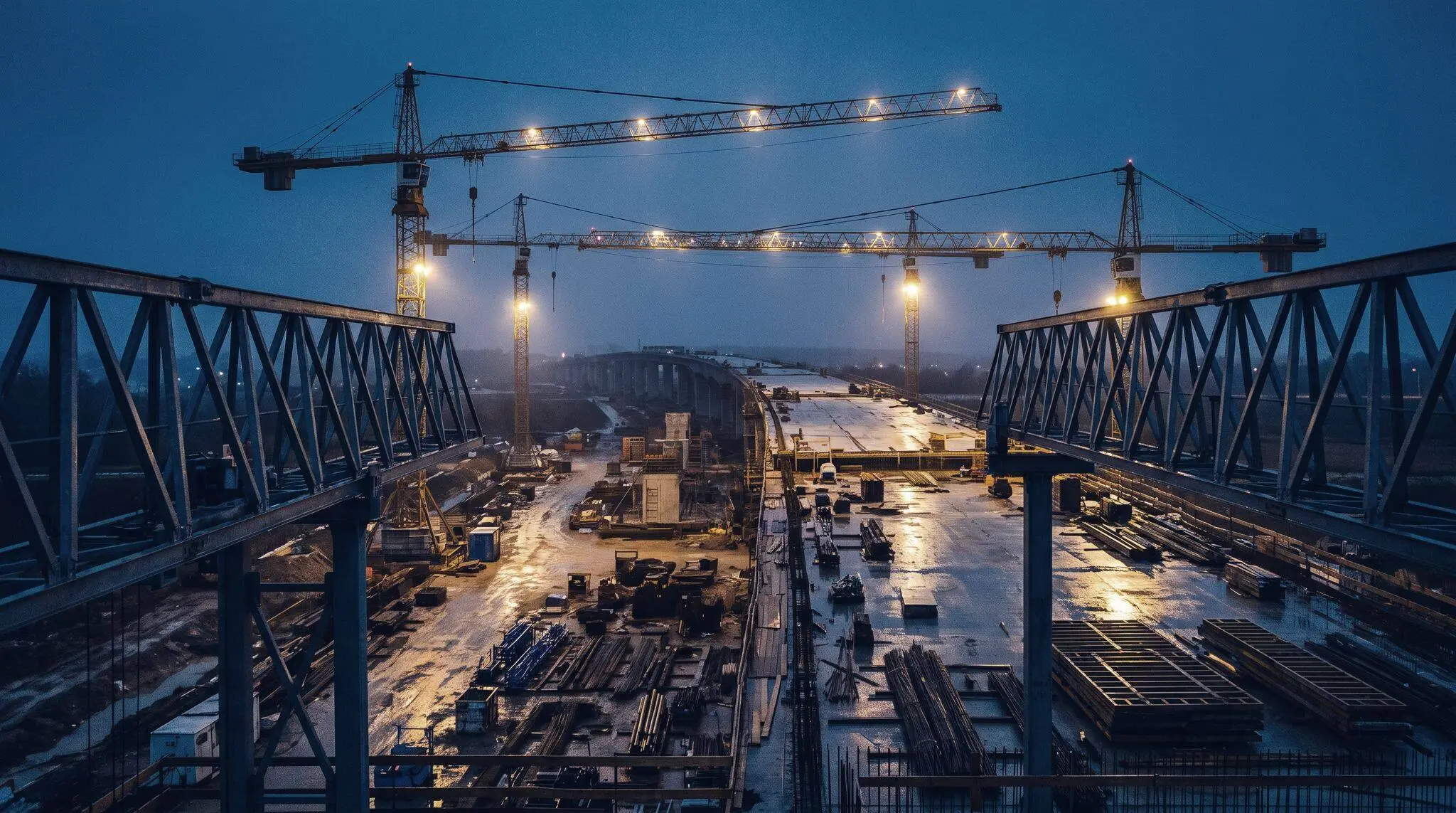
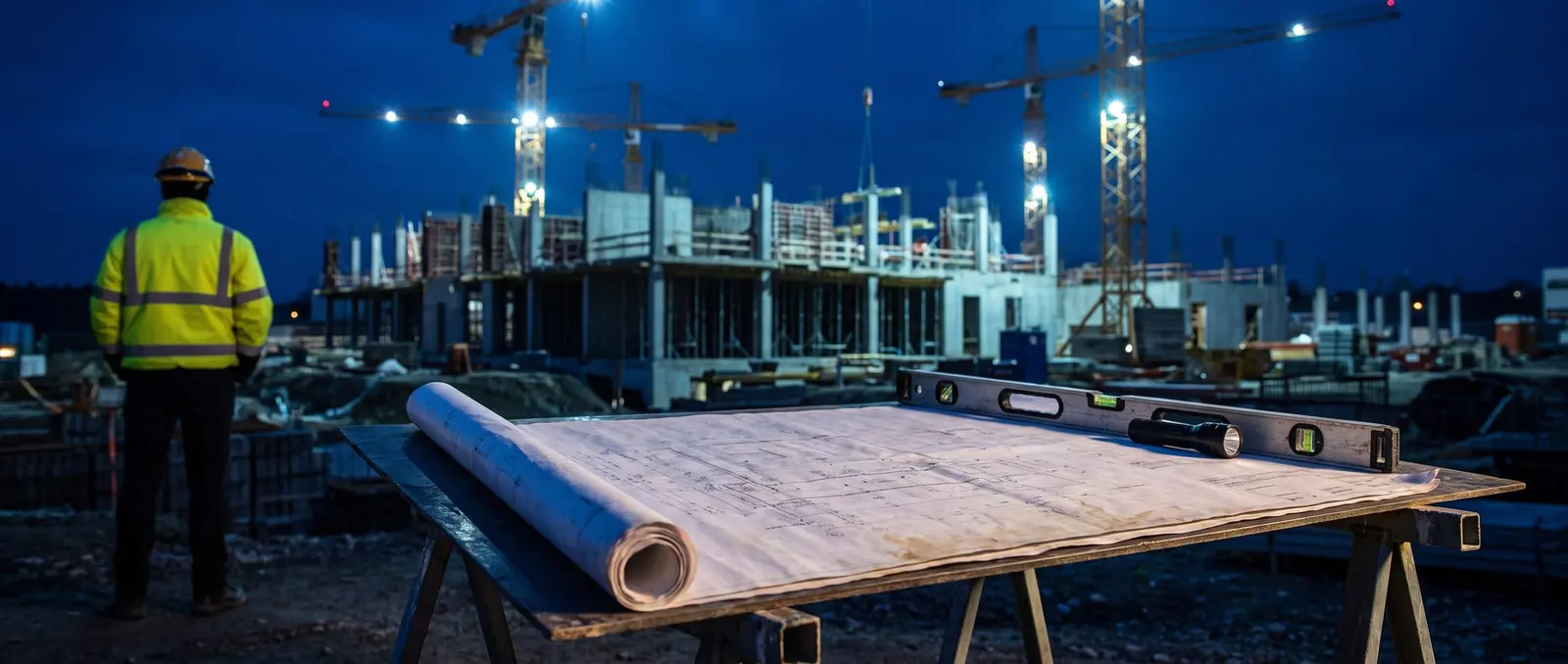
An engineering drawing on a plan table at a live construction site at dusk
  1. PHASE 01

    Operational Risk Audit

    A globally experienced risk expert works the floor of your operation, not a sales intermediary. We go looking for all six failure modes above, by name: who holds the undocumented knowledge, which system runs on borrowed time, where growth has outrun its controls, what has been deferred, what already went wrong once, and whether change gets assessed before it goes live. Findings evidenced and priced before any build is proposed.

    Output: your specific single points of failure, named, evidenced and priced.

  2. PHASE 02

    Risk Reduction Roadmap

    Findings are presented to you and your operations lead together, including the uncomfortable ones, so nothing is softened on the way to the board. The priority risk is agreed jointly, not dictated to you, and the wider exposure is mapped in full, so you can see exactly what comes after project one, long before it becomes the next failure nobody saw coming.

    Output: one agreed risk to remove first, and the road beyond it.

  3. PHASE 03

    Risk Elimination Build

    A fixed-scope system that removes the agreed risk for good, not a patch that quietly buys another year before the same failure returns. Every output is validated side by side against your own historical numbers before go-live, and nothing reaches production without dual sign-off from both sides. A working sandbox MVP lands within six weeks of real system access.

    Output: the failure mode gone, validated, and signed off by both sides.

  4. PHASE 04

    Sustain

    Monitoring, governance and performance management keep the fix from quietly drifting as your business changes around it, the exact pattern that turns a resolved risk back into deferred investment within a year. Delivered as a long-term partnership, not a handover and a goodbye. A fix nobody is watching is already on its way to becoming a new single point of failure.

    Output: the risk stays gone.

The commitment

If you have been burned by a consultant's promise before, this is why ours is different.

2x, engraved into a steel plate

Return on investment within 12 months of full deployment, or we keep working at no additional cost until you hit it. Not a marketing figure, a clause, because a verbal promise is exactly what most businesses were sold last time and exactly what evaporated the moment the invoice was paid. We can write it because we only take on engagements where the Audit has already shown a clear path to it. If we cannot see that path, we tell you before you commit a dollar, not after.

12 months
The return window, from full deployment. The KPIs that define the return are agreed in writing before work starts, not negotiated after the fact.
$0
Additional cost if the threshold is not met. We keep working until it is. No renegotiation, no invoice for our own miss, no excuses.
6 weeks
From real system and process access to a sandbox MVP. Access starts the clock, not signature, so the risk does not sit exposed while paperwork moves.
Dual sign-off
Side-by-side validation against your historical outputs before anything goes into production, the management-of-change discipline applied every time a system changes, no matter how confident the build looks.

Authority

Every risk on this page, we have already lived through it, at a scale that makes yours look small.

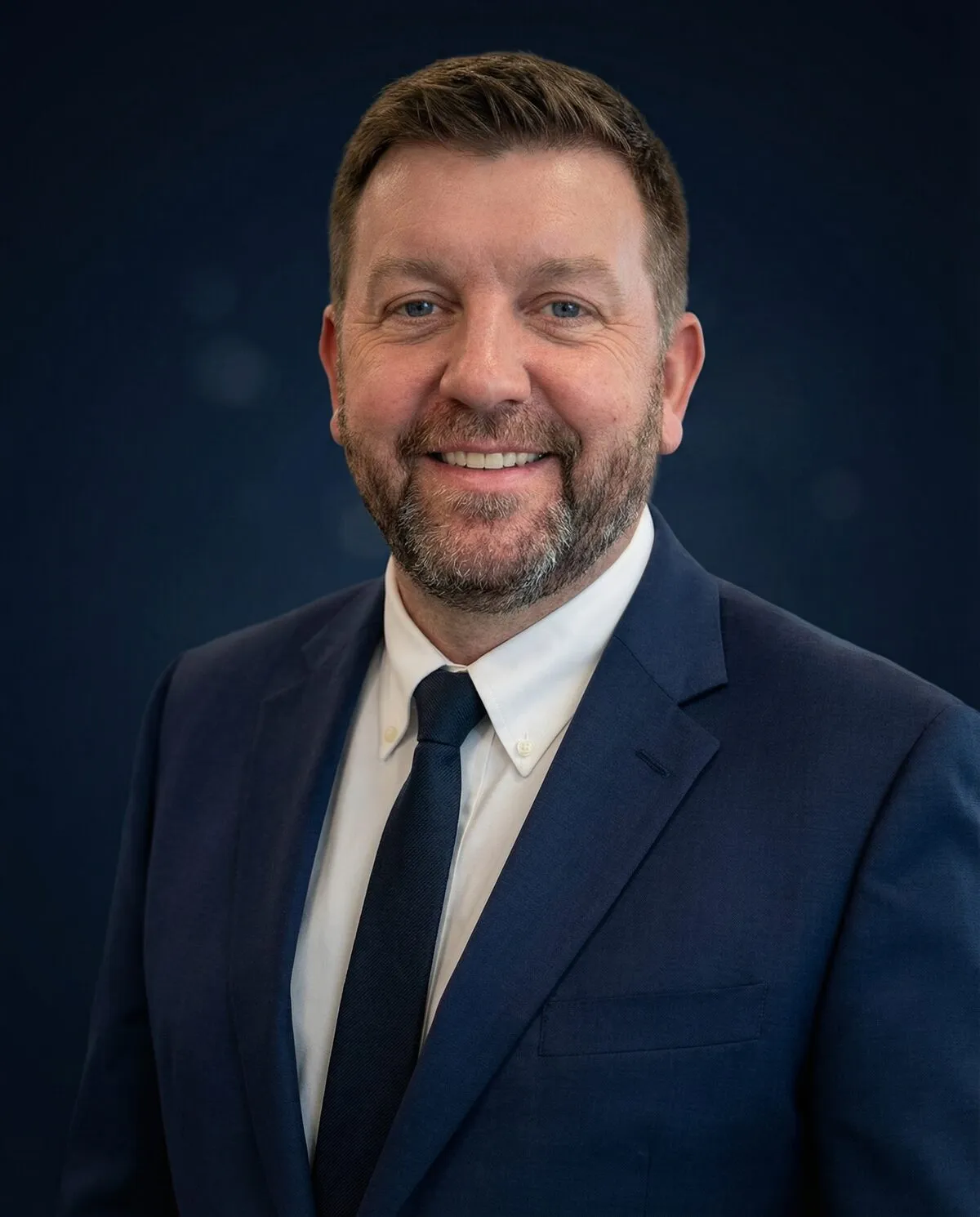
CoreLabs AI is led by Scott Buchanan MSc. For more than 25 years he has worked where getting it wrong meant lost production, interrupted operations, delayed jobs and real money, at a scale most consultancies only pitch to: military aviation logistics, offshore oil and gas in the UK North Sea, Chevron's Gorgon LNG in Australia, a US$54 billion capital project, senior regional leadership at Hatch, one of the world's largest engineering consultancies, and at Fletcher Building, across energy, resources, infrastructure, rail, transit and complex manufacturing.

In 2011 he was part of the Maersk Oil leadership team that brought the Gryphon Alpha back after a storm tore the vessel from its moorings, one of the largest insured losses in the UK oil and gas sector since Piper Alpha. He was later invited to Lloyd's of London to walk the global insurance market through how it happened and how the operation recovered. He has stood in the room where a single point of failure turned into a nine-figure loss, and explained to the people who underwrite that risk exactly how it happens and exactly how you get ahead of it. That is what "cost of failure" means here, not a slide, a lived recovery.

That experience was earned running continuity and business interruption risk on some of the most demanding capital projects and business environments on the planet, not consulting on them from the outside. Nobody at CoreLabs was trained as a software vendor. Our principals were trained as operators and risk professionals inside megaproject and global-consultancy environments: process discipline, management of change, and keeping mission-critical work running when the cost of failure is measured in the tens of millions, not the inconvenience of a bad quarter. An MSc in Safety and Risk Management is the lens, not decoration.

US$54B
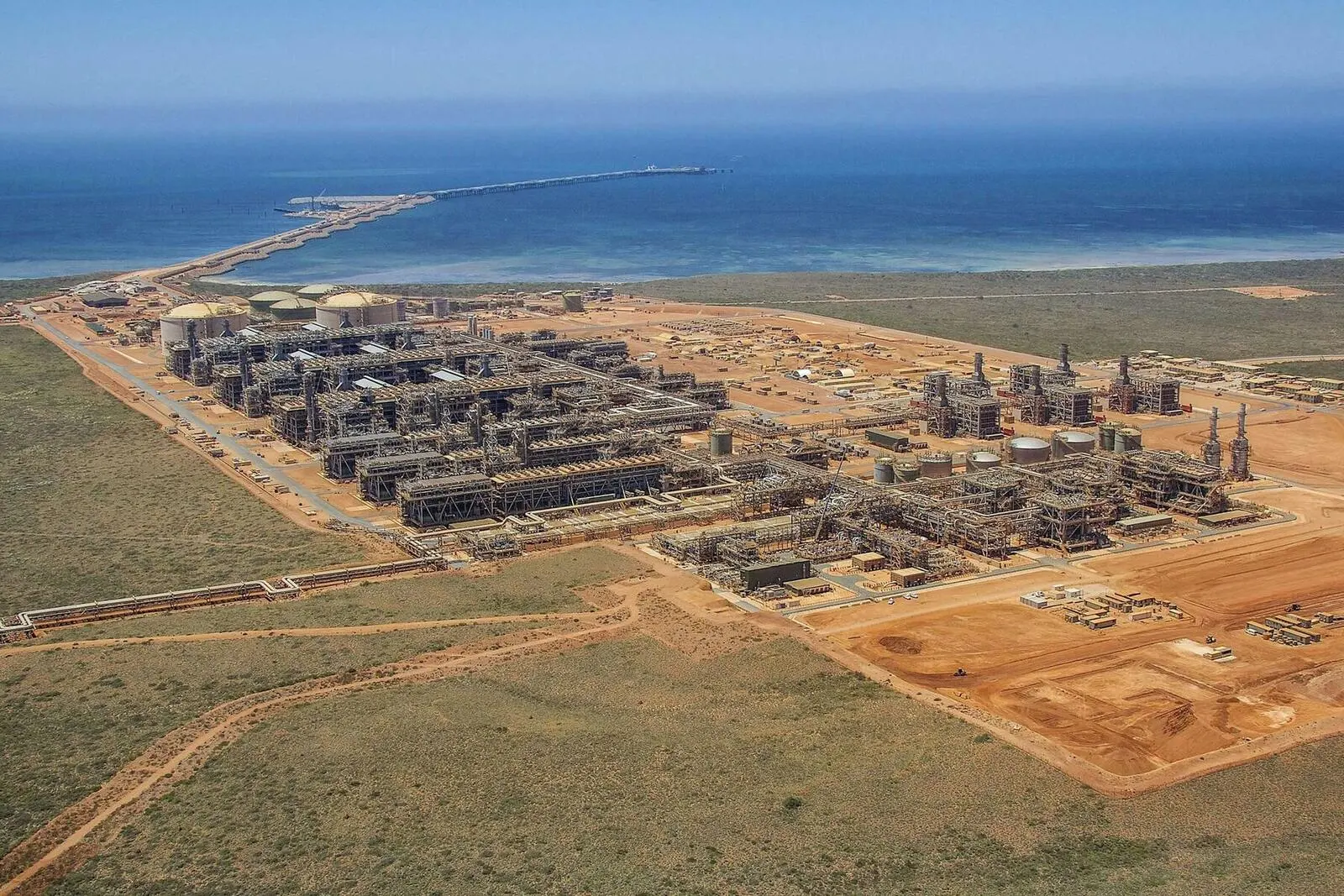
Chevron's Gorgon LNG, the most expensive project in the company's history, where a single point of failure was never a theoretical risk
10,000
professionals in more than 150 countries at Hatch, the global engineering consultancy, where CoreLabs leadership held senior regional seats
Global Experience
Australia, Kazakhstan, New Zealand, the United Kingdom and Canada, onshore and offshore, on projects that could not afford to fail
Gryphon Alpha
2011 North Sea recovery with Maersk Oil, presented to insurers at Lloyd's of London as a case study in what recovery actually costs
  • Principal-led. A principal owns discovery, risk framing, the commercial outcome and governance on every engagement. The person accountable for the findings is the person who signs them.
  • Senior delivery, no ticket queue. Complex builds run under principal ownership with a senior multifunction team. Nobody junior learns on your operation.
  • Mega-project discipline at mid-market scale. The same continuity and management-of-change rigour that governed capital projects in the tens of billions, without the enterprise systems-integrator price tag or the six-month sales cycle.

This is the difference that matters: most firms selling you operational risk advice have studied it. We have carried it, on projects where the single point of failure, the legacy system, the deferred investment and the aftermath of a real interruption were not case studies prepared for a client meeting, they were live decisions we made on site, under pressure, with real money and real consequences riding on them. That is why the businesses who work with us stop shopping around once the first conversation is over.

Scott Buchanan, Founder and CEO of CoreLabs AI
Scott Buchanan MScFounder and CEO

The record

Not client case studies. The experiences that built the method.

Every entry below happened. They are the reason the standard of delivery on a CoreLabs engagement is different, and the reason we are comfortable putting the return in writing.

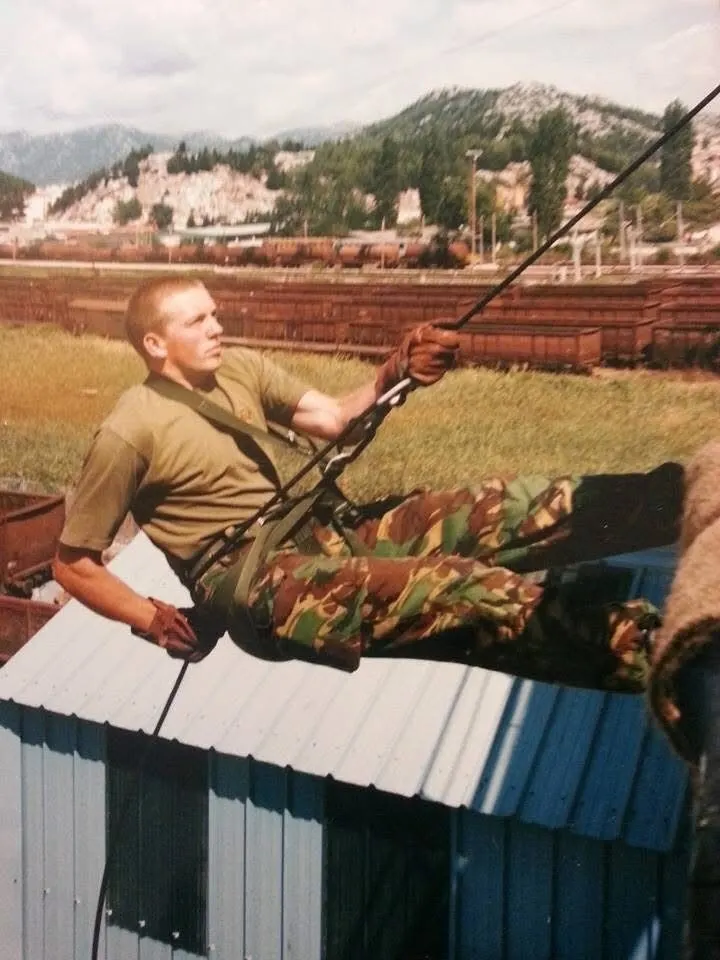
  1. Bosnia, 1995

    As part of 3 Regiment, 24 Air Mobile Brigade, the full mobilisation of a regiment from Ipswich, Suffolk to Ploče, Croatia during the 1995 Bosnian conflict. All personnel, all aircraft, all weapons systems, all communications equipment: staged, loaded and moved into an active theatre where nothing could be missing and there was no second chance. That is the standard for what "complete" means on every engagement.

    24 Air Mobile Brigade, 1995
    24 Air Mobile Brigade, 1995

Why I built this

I did not build CoreLabs AI to chase a trend.

I built it because I have spent more than 25 years watching what happens when mission-critical work is run with real operational discipline, and what happens when it is not.

I have moved a regiment into a conflict zone where missing equipment meant lives at risk. I was on board a vessel in the North Sea when a storm tore it from its moorings, and I stayed after the non-essential crew were evacuated because the job was not finished. I have managed risk for 8,500 people on a protected island where one procurement failure could stop a US$54 billion project. I have sat on the government panel responsible for protecting national critical infrastructure. I have carried operational risk for 64 manufacturing sites at once.

What I have never seen, in all of that time, is a technology consultant who understood any of it before walking into the pitch. They knew the software. They did not know what a stopped operation costs at 4am on a Saturday, or what one resignation does to a business whose controls live in a single head.

So I built the firm I would have hired.

Every finding we put in front of you, every system we build and every commitment we sign is held to the standard I have kept my whole career. Not the standard of someone who has read about your operation. The standard of someone who has run one where failure was not an option.

Scott Buchanan MSc, Founder and CEO

The team

Principal-led. Specialist-delivered.

Every engagement is led by a principal with direct operating experience, and delivered by a senior bench assembled around your context, not a pre-packaged team assigned to whoever is next in the queue. No principal is the bottleneck, and nobody junior learns on your operation.

Principal
Owns discovery, the findings, the commercial outcome and governance. Accountable to you, by name, for the whole engagement.
Risk lead on the floor
A globally experienced operator who runs the walkthroughs and sessions with the people who hold the process.
Engineering lead
Designs and builds the fixed-scope system that removes the agreed risk, and runs the side-by-side validation.
Data and integration
Gets the real numbers out of the systems and spreadsheets you already run, without breaking what works.
Change and adoption
Makes sure the people who used to carry the risk trust what replaced it. Adoption is a deliverable, not a training day.
Sustain
Monitors and governs the fix after go-live so it does not drift as the business changes.

Proof

The failure modes above, in two real businesses.

No composite case studies. No work rebadged into a sector it was not done in. Two real engagements, described as they happened, with the industry left exactly as it was and the same failure modes you just read about, not a coincidence. Client names withheld.

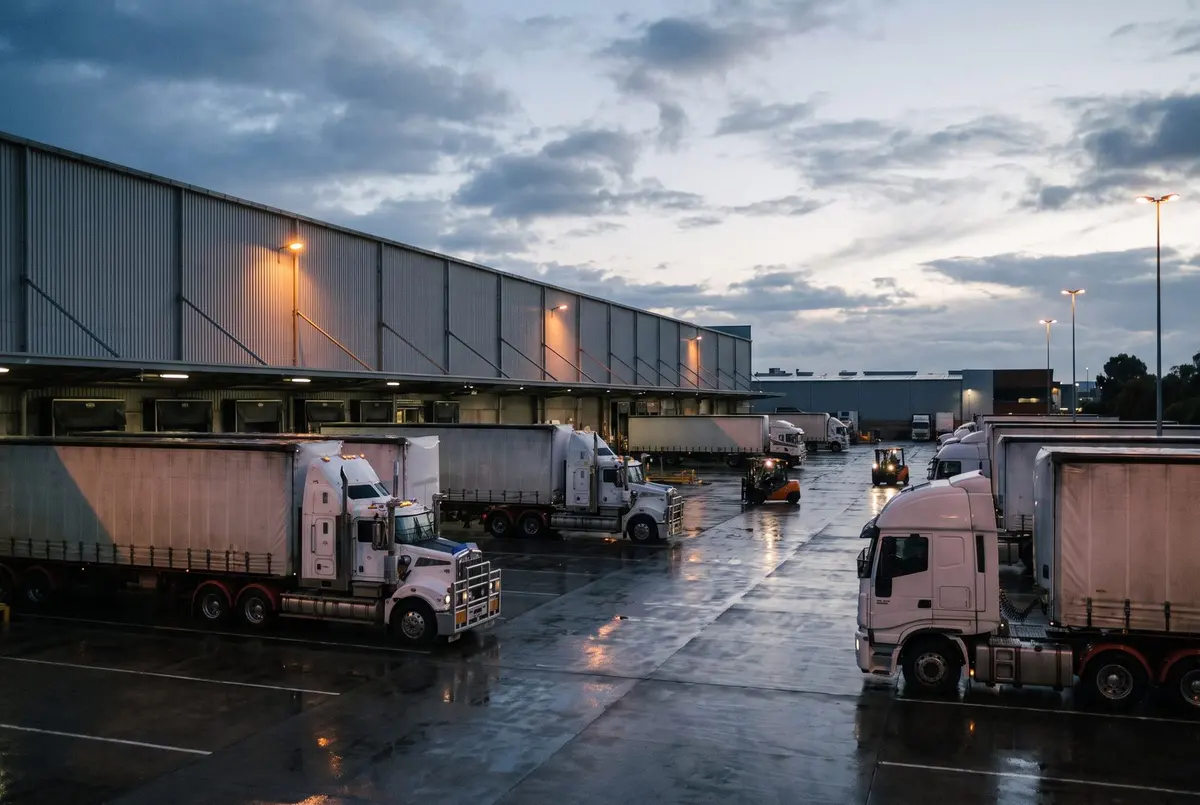
Line-haul freight trucks staged at a distribution yard at dusk
Live engagement

National freight operator / Australia

Board-level delivery performance taken off one person, then lifted.

The failure mode
Single point of failure, layered on a legacy system running on borrowed time. The board's on-time, in-full delivery number depended on one analytics lead and a fragile path across an ageing TMS, a BI layer and a multi-branch spreadsheet ritual. DIFOT sat at 88%. Every point below target arrived as customer complaints, contract penalties and damaged goods, and one resignation would have taken the board's only reliable number away entirely, on no notice.
What was engineered
The single-person dependency and the spreadsheet path were removed, not patched. Fixed-scope automation now mirrors the real workflow with exception handling and a governed path to production, validated side by side against historical outputs before go-live, with training and handover so the operation owns it outright.
What improved
DIFOT rose from 88% to 93% inside the first three months. Leadership now sees delivery performance as it happens rather than a week later, on a system the business owns and no single departure can take down.
Why it mattered to them
They had a revenue target for the next 12 to 18 months and knew they could not build it on a week-old number, one person's workbook and a TMS nobody trusted. They needed minute-by-minute data on a foundation they owned, before the resignation they knew was eventually coming actually happened. Now they have it, and the person who used to carry it all can take a holiday.
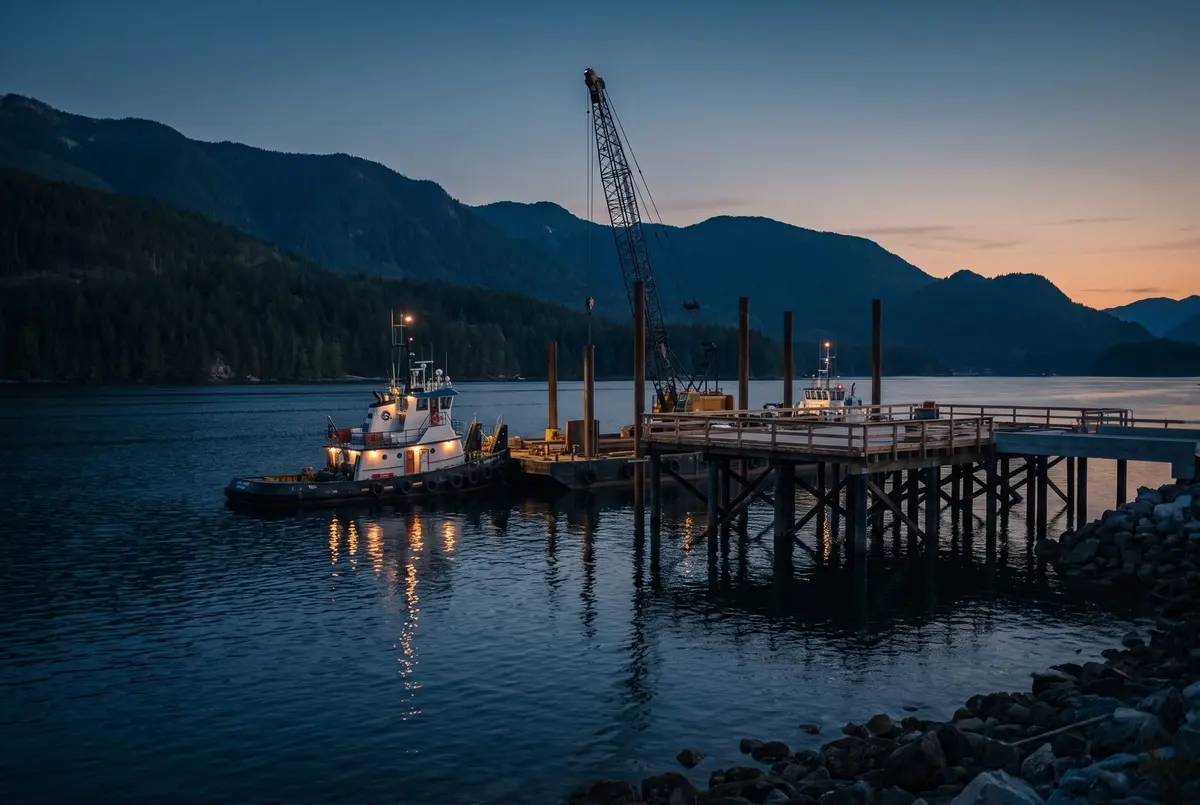
A tug and barge working alongside a marine construction site
Enterprise engagement

Global marine logistics and marine construction company / Western Canada

A stood-down fleet restarted. Then lost schedule recovered.

The failure mode
A prior failure that was never fully rectified, compounded by management of change without a home. A globally recognised LNG project in Western Canada, in a region carrying a dense set of environmental commitments that nobody fully owned, and where commitments were amended and worked around as the project evolved without anyone assessing what new risk that introduced. Compliance concerns stood the contract down. A full fleet of vessels and their crews sat on standby, losing significant money every day, a business interruption that was already happening while the commitments themselves were only partly understood and never governed as changes were made.
What was engineered
Compliance was resolved first and the fleet restarted, which stopped the daily loss. Every environmental commitment was then mapped and governed properly for the first time. The over-zealous ones were challenged back to the legislation they were supposed to rest on, and schedule that had been given away was recovered. The remaining phases and scopes were mapped for the new and amended licences they needed, so the same failure could not recur.
What improved
The stand-down ended. Schedule lost to commitments with no legal basis came back. The project moved through its later phases with licensing in hand and completed, on a commitments register someone now actually owns.
Why it mattered to them
A stood-down fleet is a cost you can count by the hour, and a commitments register nobody fully owns is a stand-down waiting to happen again, on a bigger contract, with less warning. They needed both problems gone and a clear line of sight to completion. That is what they got.

Delivery on every engagement is a senior multifunction team under principal ownership. Client names and commercial detail stay under client confidence.

Scott is a strong, reliable leader who immerses himself in his roles with the enthusiasm and determination required to ensure the foundations are set daily. His tenacity and conscientiousness brought him to the forefront of one of the largest and most complex projects in the industry, no easy task on an evolving, large, complex project such as Gorgon.
Alan Brennan
Director and Principal Advisor, Optimum Supply Chain Management
Gorgon LNG project, Barrow Island
Scott has an unusual blend of client-side, large project construction experience combined with production and operations expertise, gained globally and on some of the largest and most complex projects the industry has seen. I would have no hesitation in recommending Scott's capabilities and proven track record.
Mike Duncan
Strategic Enterprise Leader
Large-scale industrial project engagement

Answers

The questions a board asks before it trusts someone with this.

Press

In print, on the record.

Published coverage of CoreLabs AI and its founder. Syndicated across more than 450 news sites. Media and speaking enquiries to info@corelabsai.com.

Put the single point of failure on the table.

A confidential conversation with one of our principals, not a sales team. If a real continuity risk is on the table, you leave knowing whether the Operational Risk Audit is the right front door. If we are not the right partner, we say so early.

  1. 01 · Fastest

    Book time directly in a principal's calendar

    Opens the live calendar in a new tab. Pick a slot, confirmed instantly, no back and forth.

    Open the calendar

    Before the call: write down the three operational problems costing you the most time or money right now. The more specific you are, the more useful the conversation.

  2. 02 · Direct

    Call one of our principals directly

    If it is urgent, call. If we are on a site, you get a call back the same day.

    +1 647 202 8726
  3. 03 · In writing

    Send a note

    Fill in the form and a principal comes back to you at a time that suits you. A clear next step, not a newsletter.

    Go to the form

Send a note

  • Answered by a principal, not an inbox. You hear back within one business day, at a time that suits you.
  • Bring the decision-makers. The CEO or MD plus your operations or project champion in the room means the first conversation can end with a decision, not a follow-up.
  • Direct questions, no feature tour, no obligation. If the Audit is not the right front door for you, we say so on the first call.

Used only to respond to this enquiry.